How to Finance a Work Ute in NZ: What Tradies Need to Know in 2026
- Mar 26
- 5 min read
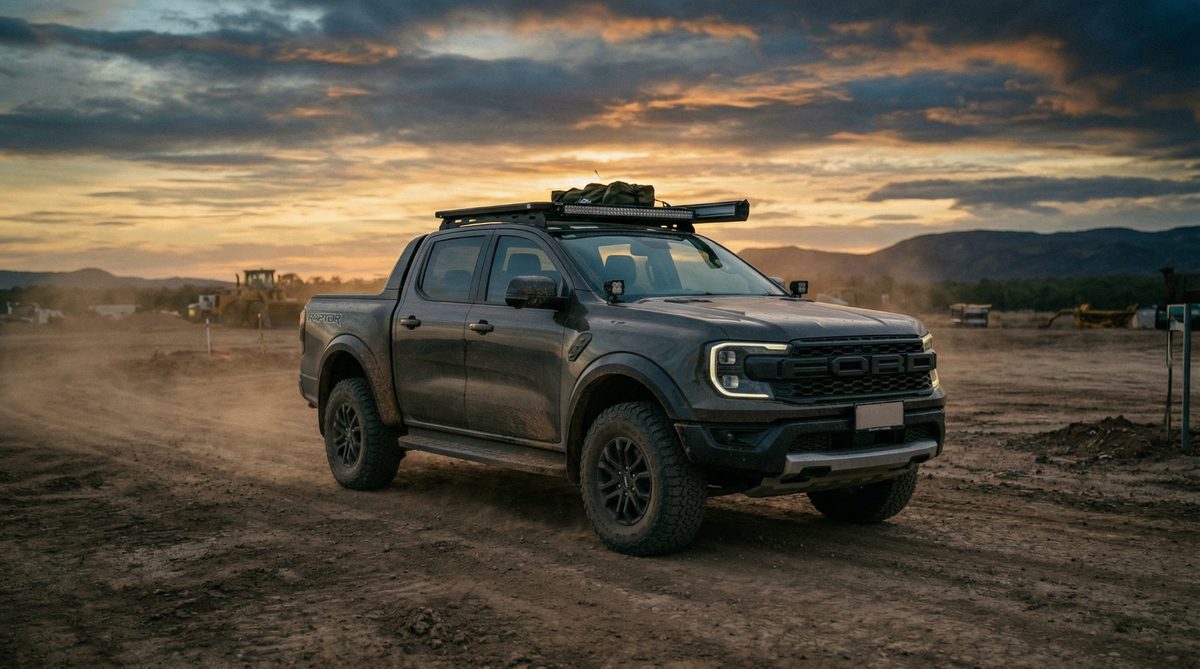
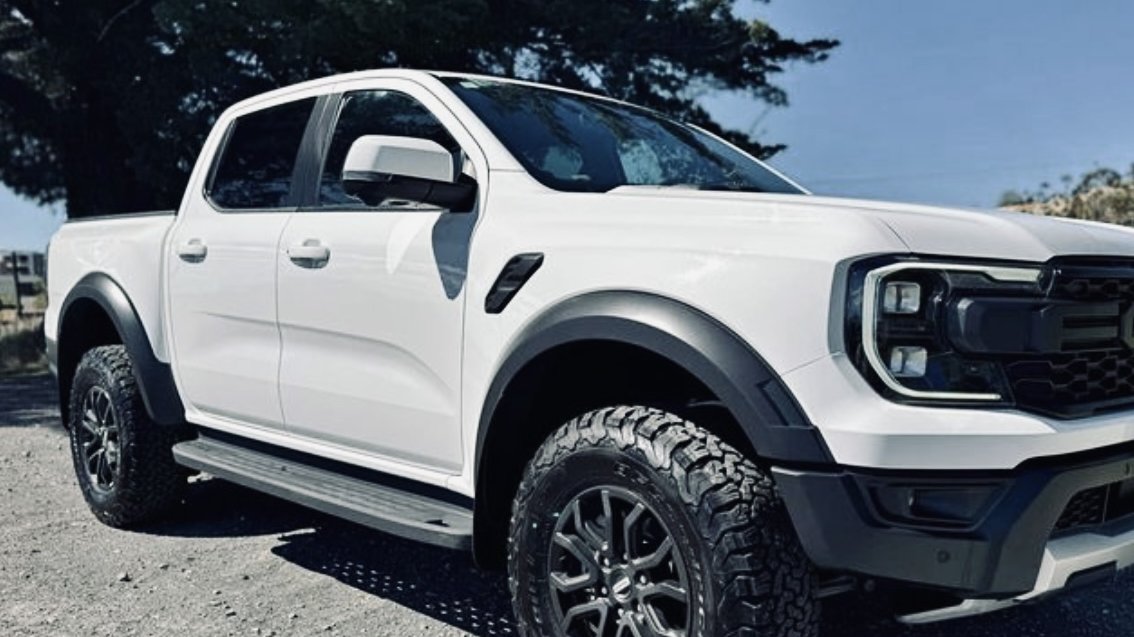
Utes are the best-selling vehicle category in New Zealand year after year — and for good reason. If you're a tradie, contractor, or small business owner, your ute isn't just transport. It's a tool, a billboard, and in most cases, a tax deduction.
But buying one outright ties up capital you could be using to pay wages, buy materials, or take on more work. That's where ute finance comes in — and done right, it's one of the smarter financial moves a NZ business owner can make.
Here's everything you need to know about financing a work ute in 2026, without the jargon.
How does ute finance actually work?
When you finance a ute through a broker like fundr, you're essentially borrowing money to buy the vehicle and paying it back in fixed monthly instalments over an agreed term — typically two to five years.
The ute itself acts as security for the loan, which means you don't need to put up your house or other assets. Once the loan is paid off, you own the ute outright.
There are two main structures most NZ business owners use:
Term loan (also called a chattel mortgage) You own the ute from day one. The lender holds a security interest over it until the loan is repaid. You can claim GST on the purchase price upfront (if GST-registered) and depreciate the asset over time. This is the most common structure for tradies who want ownership and maximum tax benefit.
Finance lease The finance company technically owns the ute during the lease term. You make regular payments for use of the vehicle and pay a residual at the end to own it outright. Monthly payments are typically lower, which suits businesses focused on cash flow. You can claim lease payments as a business expense.
Which one is right for you depends on your GST status, tax position, and how you use the vehicle. Your broker — and your accountant — can help you work that out before you commit.
What are the tax benefits?
This is where financing a work ute gets genuinely interesting for NZ business owners.
GST claim on purchase If you're GST-registered and you buy the ute through a term loan, you can claim the GST component of the purchase price on your next GST return. On a $60,000 ute, that's $7,826 back. That's a significant day-one benefit that buying outright with personal cash doesn't change — but financing means you haven't depleted your working capital to get there.
Interest deductions The interest you pay on a business vehicle loan is tax deductible as a business expense, provided the vehicle is used for business purposes. Keep your loan statements — your accountant will need them at year end.
Depreciation and the 2026 Investment Boost From 22 May 2025, IRD introduced a 20% Investment Boost — a one-off upfront deduction on new eligible assets. This means in the year you acquire a new ute, you can claim 20% of the cost as an immediate deduction, with standard depreciation applying to the remaining 80%. Talk to your accountant about whether your purchase qualifies.
FBT on double cab utes — know the rules IRD confirmed in late 2025 that double cab utes are subject to Fringe Benefit Tax (FBT) if made available for private use by employees or shareholder-employees — and the rules haven't changed. If your ute is strictly a work vehicle with no private use, you may be exempt. If it's used privately, FBT applies. Get your accountant to confirm your situation before assuming you're in the clear.
What do lenders look at?
Every lender is different, and that's exactly why using a broker matters.
Some deals are straightforward full-doc applications where the lender wants to see trading history, GST returns, bank statements and financials. Others are low-doc — meaning if you meet certain criteria (typically a clean credit history, GST registration, and a minimum time in business), the lender will approve the deal with minimal paperwork. No financials required.
The right approach depends on your situation, the lender, and the asset you're buying. As your broker, fundr works out which lenders and which doc requirements fit your deal — so you're not wasting time gathering documents you don't need, or getting declined by a lender who was never the right fit to begin with.
Generally speaking, lenders are looking at some combination of:
Your credit history — personal, business, or both depending on your structure
Time in business — some lenders are flexible here, especially on low-doc deals
The asset — what you're buying, its age, and where you're buying it from
Cash flow — bank statements or GST returns depending on the lender and deal type
Your overall story — a broker who can present your deal clearly makes a real difference to outcomes
The cleanest applications move fastest regardless of doc type — so the more organised you are upfront, the quicker things move.
What should you have ready before you apply?
Honestly — not much. That's the point of using a broker.
You don't need to have a specific ute locked in. You don't need a folder of documents ready to go. Just get in touch and we'll have a quick conversation about what you're looking to do. From there, fundr works out what's needed for your specific situation and lender — which in many cases is a lot less than you'd expect.
If you want to get ahead of things, having these on hand helps move things along:
A rough idea of what you want to buy and your budget
Your driver's licence
Access to your business bank account if needed
That's often enough to get the conversation started and in many cases get to an approval. We'll let you know if anything else is needed along the way.
Why use a broker instead of going to your bank?
Your bank has one set of lending policies. A broker has access to 15 or more lenders, each with different risk appetites, rate structures, and asset criteria.
That matters when:
You're a newer business and the bank won't touch you
You're buying a used ute privately rather than from a dealer
You've had a blip on your credit history
You need a quick answer and your bank takes three weeks to respond
fundr works with 15+ NZ lenders — from the big banks through to specialist asset finance companies — and we do the legwork to find the right fit for your situation. There's no broker fee charged to you; we're compensated by the lender.
The whole process from application to approval typically takes 24 hours for straightforward deals. Some come back the same day.
Ready to get your ute financed?
If you're in the market for a work ute — new, used, or not even sure which model yet — the best first step is a quick conversation. We'll look at your situation, tell you what you can borrow, and get you pre-approved before you walk into a dealership.
No credit impact to apply. No broker fee. Just straight answers from someone who knows the NZ lending market.
Terms, conditions and normal lending criteria apply. This post is general in nature and does not constitute financial or tax advice. Please consult a qualified accountant for advice specific to your circumstances.
Related reading:


Comments